When the votes were counted at this year’s Chicago Latino Film Festival, the results sent a message louder than any press release could.
Five of the nine Audience Choice Award winners and runners-up at the 42nd Chicago Latino Film Festival were directed or co-directed by women. Not because of a quota. Not because of a campaign. Because the audiences — real people who bought tickets, sat in the dark, and felt something — voted that way. That’s the kind of statistic that doesn’t need spin.
The Chicago Latino Film Festival, managed and produced by the International Latino Cultural Center of Chicago announced the results on Monday, 4th of May, 2026. This capped a festival run that by any honest measure was the organization’s strongest since the pandemic turned the world of cinema into a waiting room.
Venezuela on Everyone’s Mind
If there was a thematic heartbeat to this year’s audience votes, it was Venezuela — and the particular kind of dread that comes from watching a country consume itself.
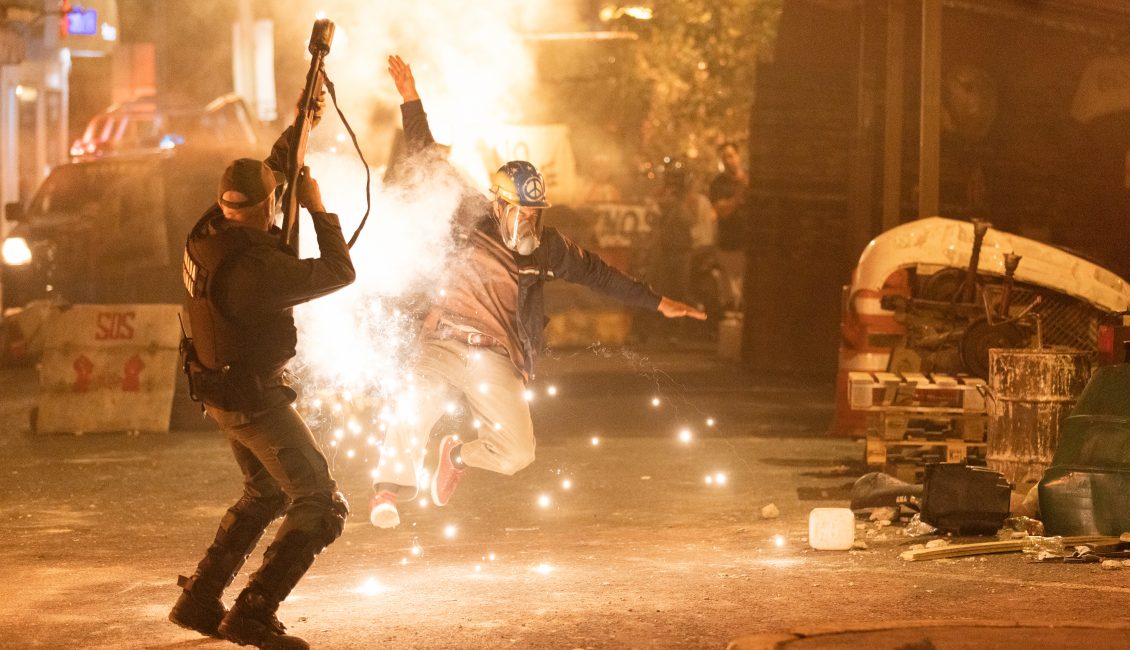
It Would Be Night in Caracas, the searing co-direction of Mariana Rondón and Marité Ugás, took the top prize for Best Fiction Feature. The film — which opened the festival and returned for a second screening alongside the duo’s earlier collaboration Zafari — drops its protagonist Adelaida into Caracas during the violent 2017 anti-Maduro protests, alone after her mother’s death, hiding in a dead neighbor’s apartment with a corpse for company and an identity she can no longer afford to keep. It is the kind of film that doesn’t ask for your sympathy — it simply refuses to let you look away.
The Best Short Film award went to Beyond (Más Allá), Bettina López Mendoza’s gut-punch of a short following a young Venezuelan girl separated from her mother in the treacherous Darién jungle — one of the most dangerous migration corridors on the planet. In under twenty minutes, López Mendoza accomplishes what some features can’t in two hours: she makes the global migration crisis feel like one child’s face.
Two films. Two Venezuelan stories. One unmistakable signal from an audience that is paying attention to the world outside the multiplex.

Guatemala’s Wound, Turned Into Art
The Best Documentary prize went somewhere equally uncompromising. Comparsa, directed by Vickie Curtis and Doug Anderson and executive produced by acclaimed Guatemalan filmmaker Jayro Bustamante — who was on hand to present his latest feature Cordillera de Fuego — centers on two sisters in Ciudad Peronia, Guatemala, responding to one of Central America’s most devastating and under-reported tragedies: the 2017 fire at the Virgen de la Asunción Safe Home that killed 41 girls locked inside a state-run facility.
Lesli and Lupe’s response is not a petition or a protest sign. It’s a comparsa — a thundering street procession of towering puppets, fire-breathing stilt walkers, and drums that refuse to be ignored. Curtis and Anderson don’t just document a community’s grief; they document what happens when art becomes the only language powerful enough to hold it.
The Format Shift That Actually Worked
Here’s something festivals rarely admit: the gala model is broken. Elaborate opening night productions, $75 tickets, and red carpet theatrics that have more to do with optics than cinema have been quietly hollowing out festival culture for years. The ILCC did something radical for the 42nd edition — they scrapped it.
Opening and Closing Night events moved directly into the cinema. Ticket prices dropped from $75 to $35. Receptions featured food and drinks, yes, but more importantly they featured filmmakers — real, accessible, in-the-room human beings who made the work and wanted to talk about it. Both nights sold out well in advance. Something to keep in mind for next year’s 43rd edition.
The festival’s overall numbers backed up the instinct: a 51% increase in sales and a 30% jump in attendance over the previous year. All 51 features and 31 shorts from Latin America, Spain, Portugal, and the United States screened exclusively at the Landmark Century Centre Cinemas on Clark Street — one location, no logistical sprawl, total focus.
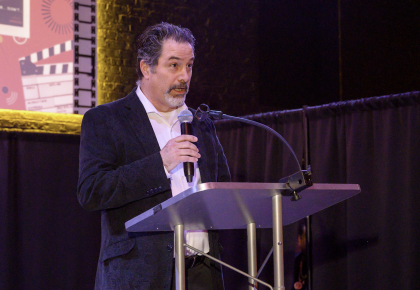
Pepe Vargas, ILCC’s Executive Director and founder, makes the same promise every year: this edition will be better than the last. For 42 years, he has delivered.
What Came Close
The runners-up deserve more than a footnote. Colombian director Flora Martínez’s ¡Basta Mamá! (Enough Mom!) — a sharp domestic comedy about a 45-year-old man still living with his mother when his girlfriend and boss comes to dinner — finished second in fiction, which suggests Chicago’s Latino audiences have a sophisticated taste for farce alongside tragedy. Bolivian-UK co-production Cielo, about an eight-year-old girl hauling her mother’s body across the altiplano after swallowing a fish whole, finished third. That sentence alone should tell you something about the range of storytelling on offer.
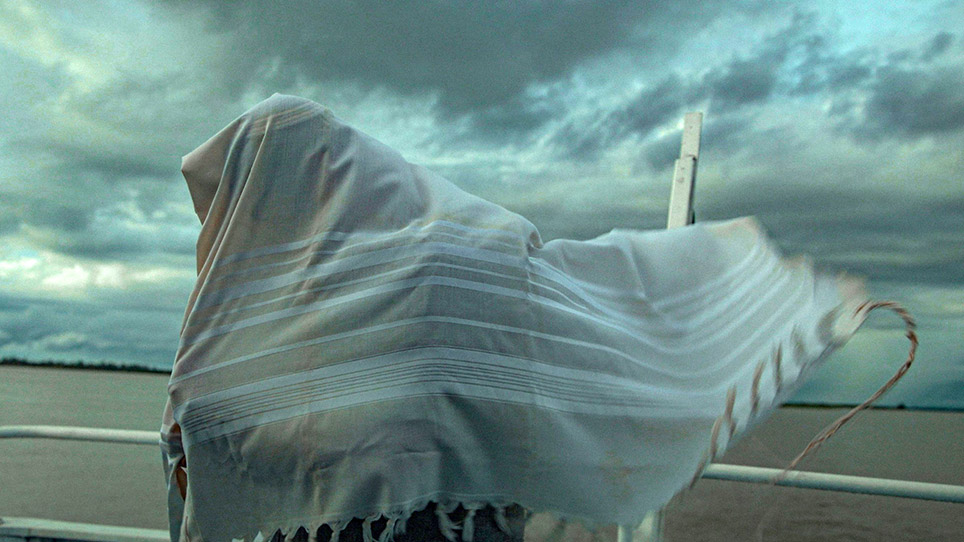
In documentary, Diego Lajst’s A Shabbat on the Other Side of the River — a quietly extraordinary portrait of Moroccan Jewish descendants who have preserved their traditions in the Brazilian Amazon for two centuries — took second place. Third went to José María Cabral’s 42nd Street, a kinetic dive into Santo Domingo’s Capotillo neighborhood where dembow, dance, police harassment, and raw humanity collide in something that blurs the line between documentary and fever dream.
Among the shorts, Chicago’s own Pilsen neighborhood showed up in Erick Juárez’s Cake — a mother, a son, a birthday, and the weight of financial reality — and finished second. Third went to Argentina’s La Cerrillana, a quiet, precise story about a mother finding her way toward her son’s gender transition through an unexpected mirror.
The Festival Doesn’t Stop Here
With the awards behind it, the ILCC moves into a full calendar that reflects the breadth of what a genuinely multidisciplinary cultural organization looks like in practice. The monthly Reel Film Club at Facets continues on the last Tuesday of each month. Films in the Park — now in its 20th season — returns every Wednesday in July across Chicago’s parks. The third annual Levitt VIBE Chicago Music Series kicks off June 13 at Riis Park with ten consecutive Saturdays of free concerts through August 22.
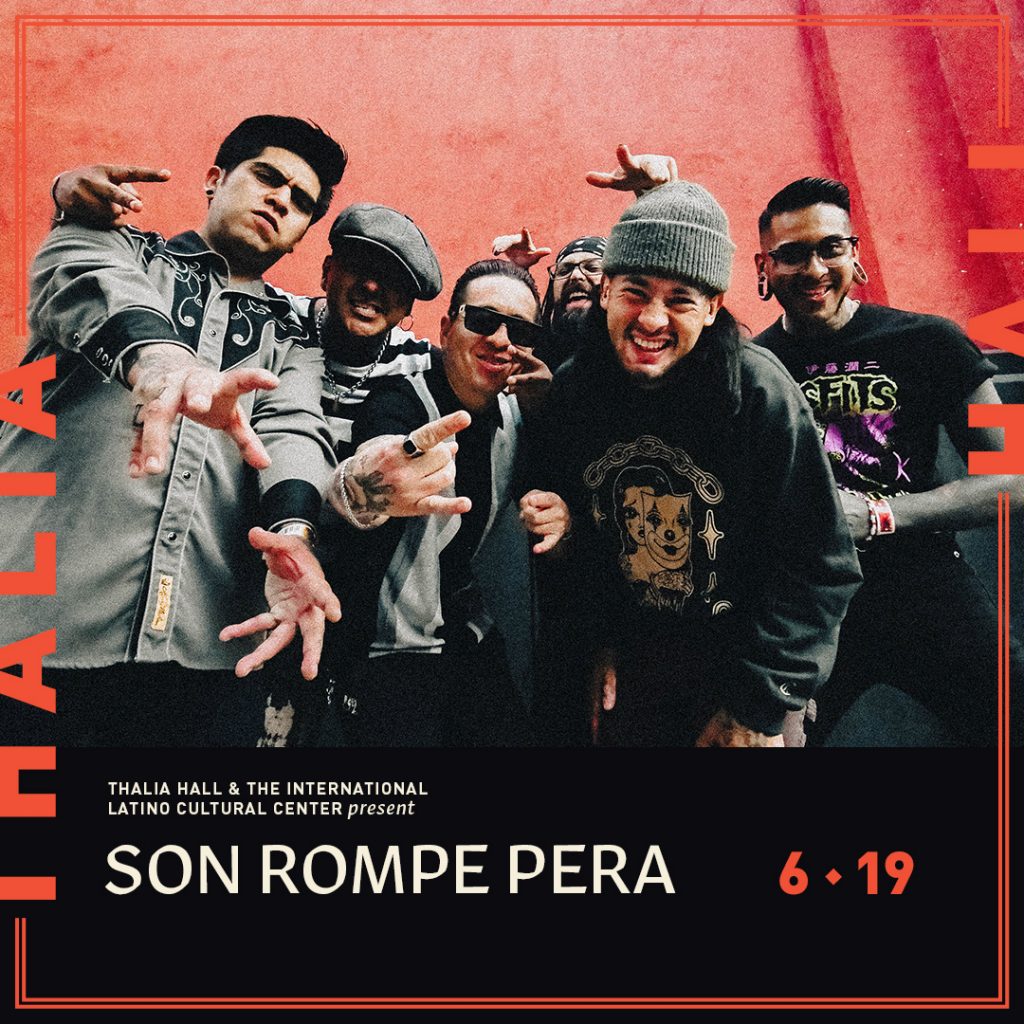
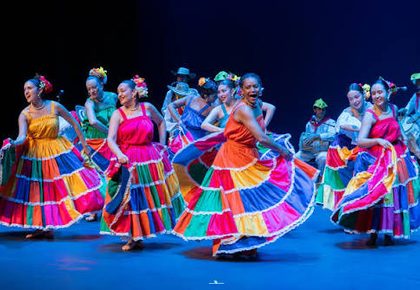
Cumbia-punk outfit Son Rompe Pera hits Thalia Hall on June 19. East L.A. roots collective Las Cafeteras bring Hasta La Muerte — a two-act exploration of grief, loss, and the celebration of life — to the Copernicus Center on October 30. Peru’s Compañía de Teatro Físico arrives June 4–6 at the Dance Center at Columbia College. And the Fourth Annual Chicago Latino Dance Festival lands in the fall at multiple locations.
Forty-two years in, the Chicago Latino Film Festival is not coasting on legacy. It’s building one — film by film, seat by seat, vote by vote. And this year, more often than not, the votes went to women telling stories the rest of the world hasn’t caught up to yet.
Pay attention.
The 42nd Chicago Latino Film Festival was presented by the International Latino Cultural Center of Chicago at the Landmark Century Centre Cinemas, April 16–27, 2026. For upcoming ILCC programming, visit the main page of latinoculturalcenter.org.