4th ANNUAL CHICAGO LATINO DANCE FESTIVAL — OPENING NIGHT
Monday, September 29, 2026
Logan Center for the Arts
Time: 7pm Start | Tickets: FREE to attend; Please RSVP – Suggested $20 Donation (Helps Support Latino Artists in Chicago)
ABOUT THE FESTIVAL

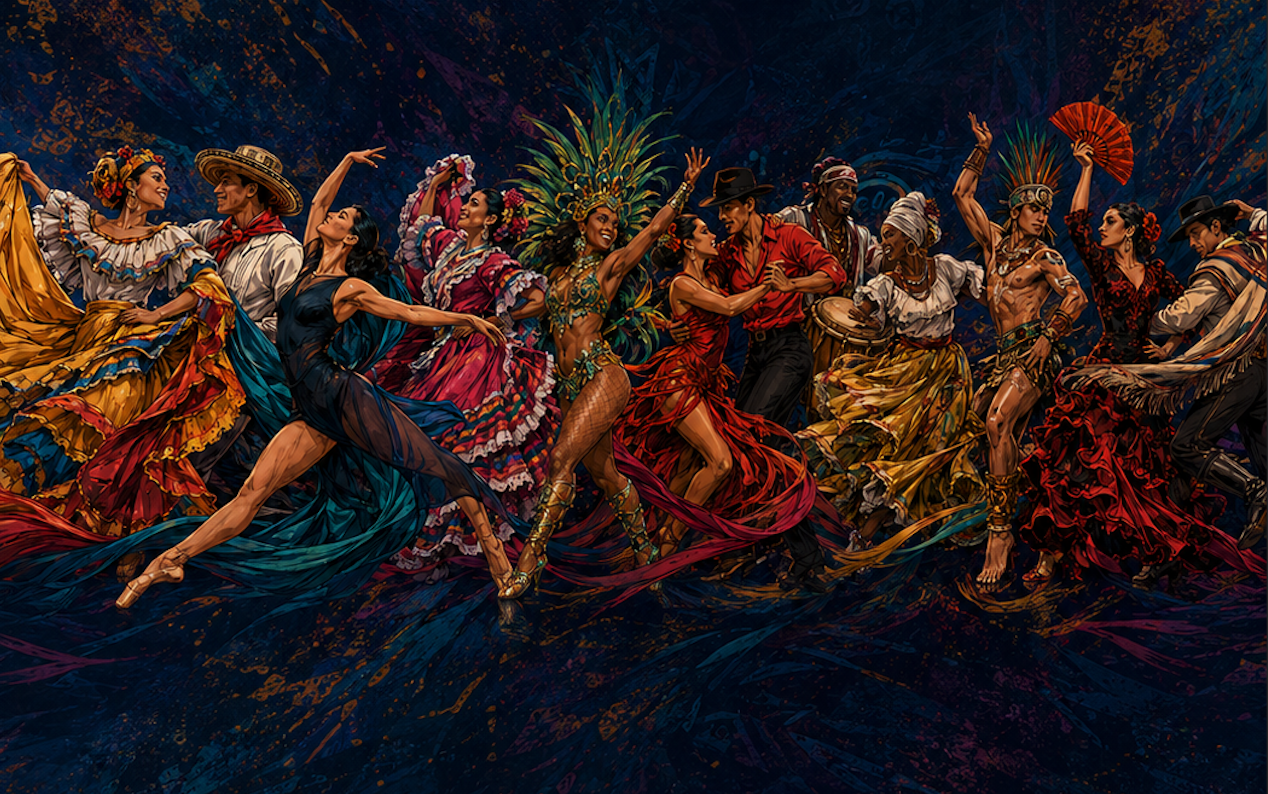
The Chicago Latino Dance Festival, now in its fourth edition, is one of the first festivals in the country dedicated to celebrating and uplifting Latino dance. Produced by the International Latino Cultural Center of Chicago (ILCC), an organization dedicated to uplifting Latino voices through the arts, the festival honors the vast diaspora of nations that make up “Latino” culture — including Spain, Portugal, and other countries where Spanish and Hispanic traditions have endured, as well as Brazil, an essential part of the Latino experience.
HEADLINING: EL PALENQUE DE DELIA (Colombia)
This is a very special presentation not to be missed.
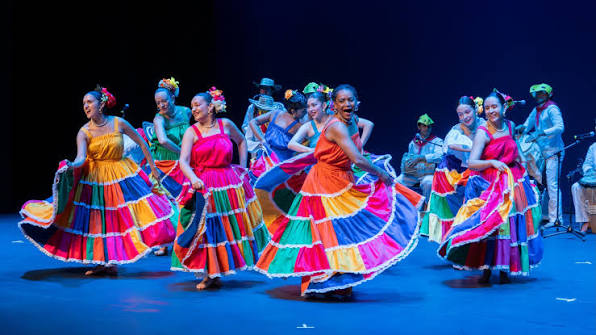
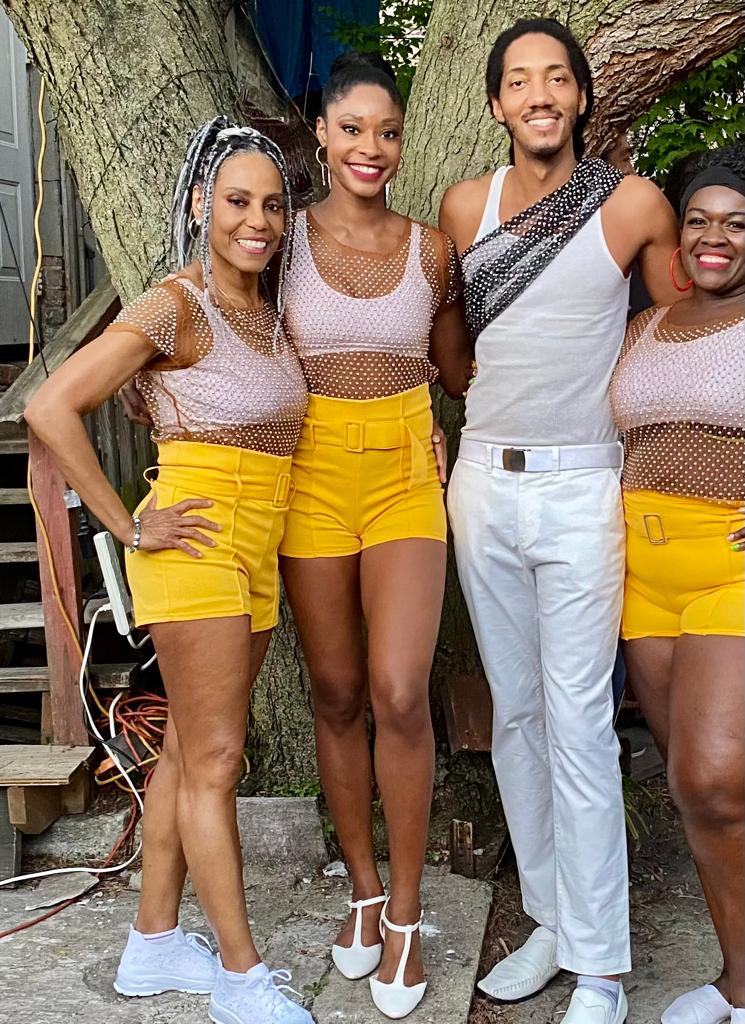
El Palenque de Delia carries one of the most important legacies in Colombian folkloric dance. The company honors the work of Delia Zapata Olivella, the pioneering choreographer and ethnographer from Cartagena who dedicated her life to documenting and performing Colombia’s popular traditions — establishing her original folkloric dance company in 1954 and, in 1976, founding the Fundación Instituto Folclórico Colombiano Delia Zapata Olivella. Today the group is led by her daughter, Edelmira Massa Zapata, continuing a legacy that spans generations.
El Palenque de Delia is a Colombian dance, music, and theater group with 72 years of history dedicated to the safeguarding, creative research, teaching, and diffusion of Colombian folk traditions, founded in 1954 by the siblings Delia and Manuel Zapata Olivella. The group brings together people from different Colombian regions in the quest of their origins, supported by the magic spirit, the oral transmission, and the experiencing of the popular traditions, keeping alive the inseparable link between dance, music, theater, plastic arts, and community. In 2026, El Palenque de Delia celebrates the 100th anniversary of the birth of Delia Zapata Olivella (April 1, 1926 – May 24, 2001), a Colombian female pioneer in the fields of research-creation, safeguarding, dissemination, pedagogy and experience of Colombian popular traditions, contributing to build a path where people walk together harmonizing the cultural diversity.
Delia visited the U.S. often between 1960 and 2000 collaborating with the Afroamerican dancer Katherine Dunham and performing throughout the U.S.. This included performances in Chicago through the International Latino Cultural Center which culminated in a proclamation naming July 19th “Doña Delia Zapata Olivella Day” in Illinois. The ILCC is honored to host the return of El Palenque de Delia with the presentation of Loros Loriando.
Loros Loriando (Parrots Parroting): Performing through a daring zoomorphic game full of vitality, the Parrots dance and sing for fertility, manifesting popular sentiment and blessing the people who work in the field. This work of dance, music, theater and singing was created by Edelmira Massa Zapata, presenting the choreographies of Delia Zapata Olivella and her own creations to condense the matrix dances of the Colombian Caribbean, ‘Bullerengue‘ and ‘Mapalé negro‘, as well as those derived such as ‘Gaita‘, ‘Tambora‘, and ‘Son de negro‘.
—
ALSO PERFORMING
ANNIELA HUIDOBRO — CHINELA
Dance Style: Modern
Country/Identity Represented: Mexico
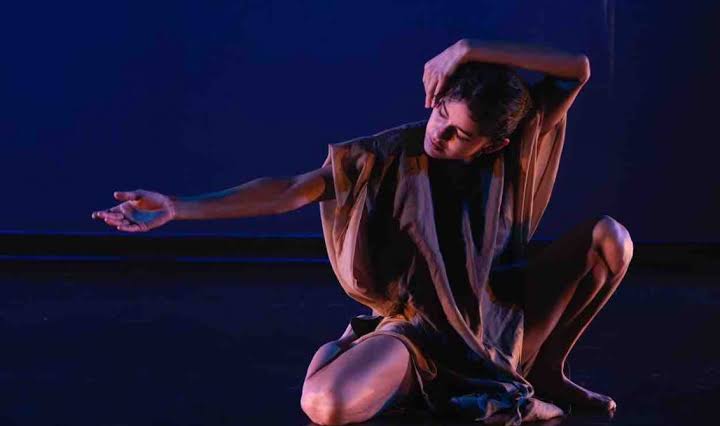
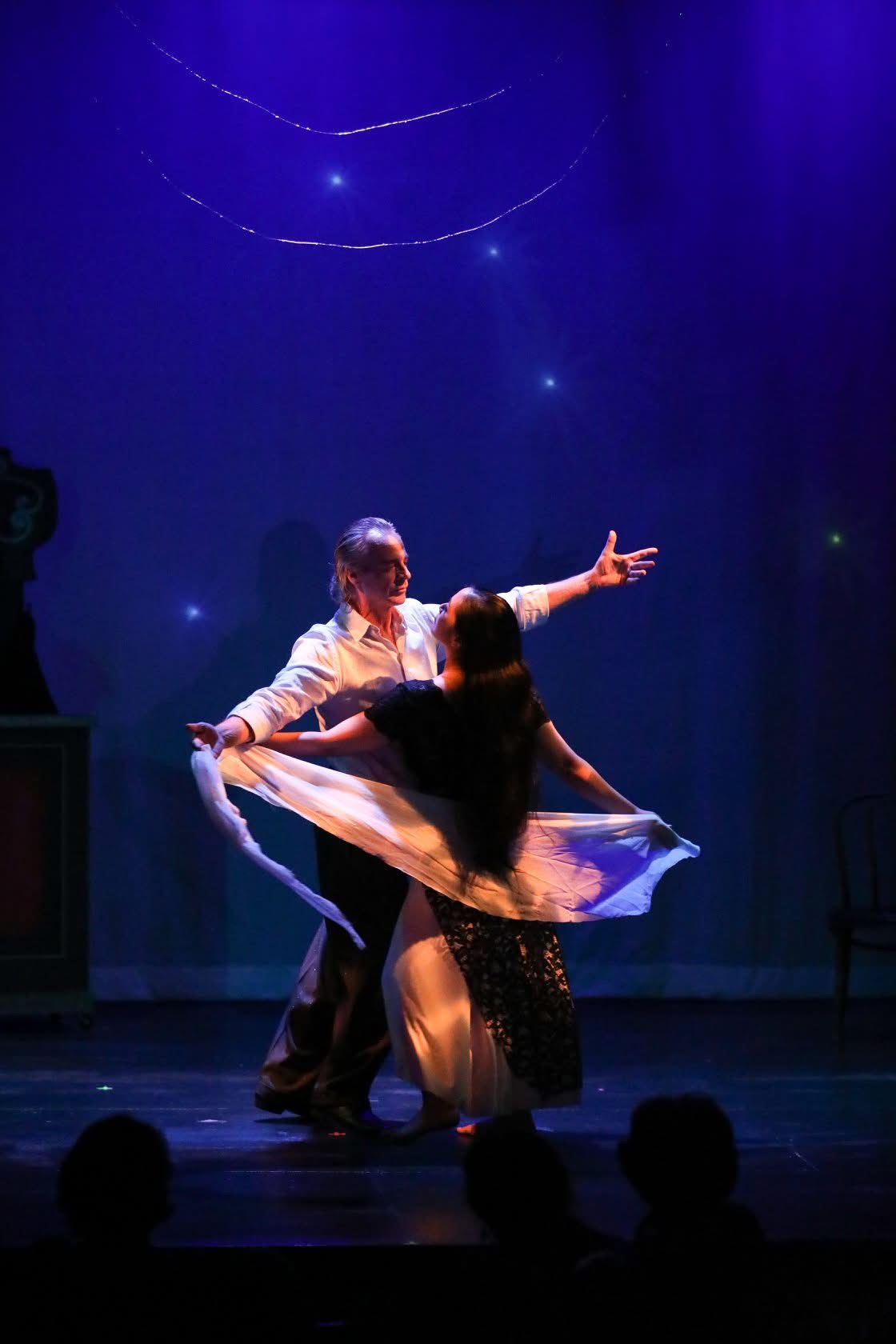
Anniela Huidobro is a local dance artist and educator, originally from Mexico, whose practice explores the body as a site of memory, testimony, and resistance. Her work engages with Latin American migration, systemic violence, and cultural identity, centering the Chinelo as a figure of protest, agency, and belonging. She reconnects contemporary performance practices with cultural and ancestral roots and has been an artist-in-residence at the Chicago Cultural Center and a 2026 Chicago Dancemakers Forum Dance Project Grant recipient.
*CHINELA, la que brinca y brama* is a work that gives voice to the lives and courage of migrant women. This piece uses the symbol of the *Chinelo* to convey a wide range of emotions—from joy and celebration to the discomfort and rage provoked by forms of systemic violence stemming from the social, cultural, and political context.
BALLET FOLKLÓRICO DE CHICAGO
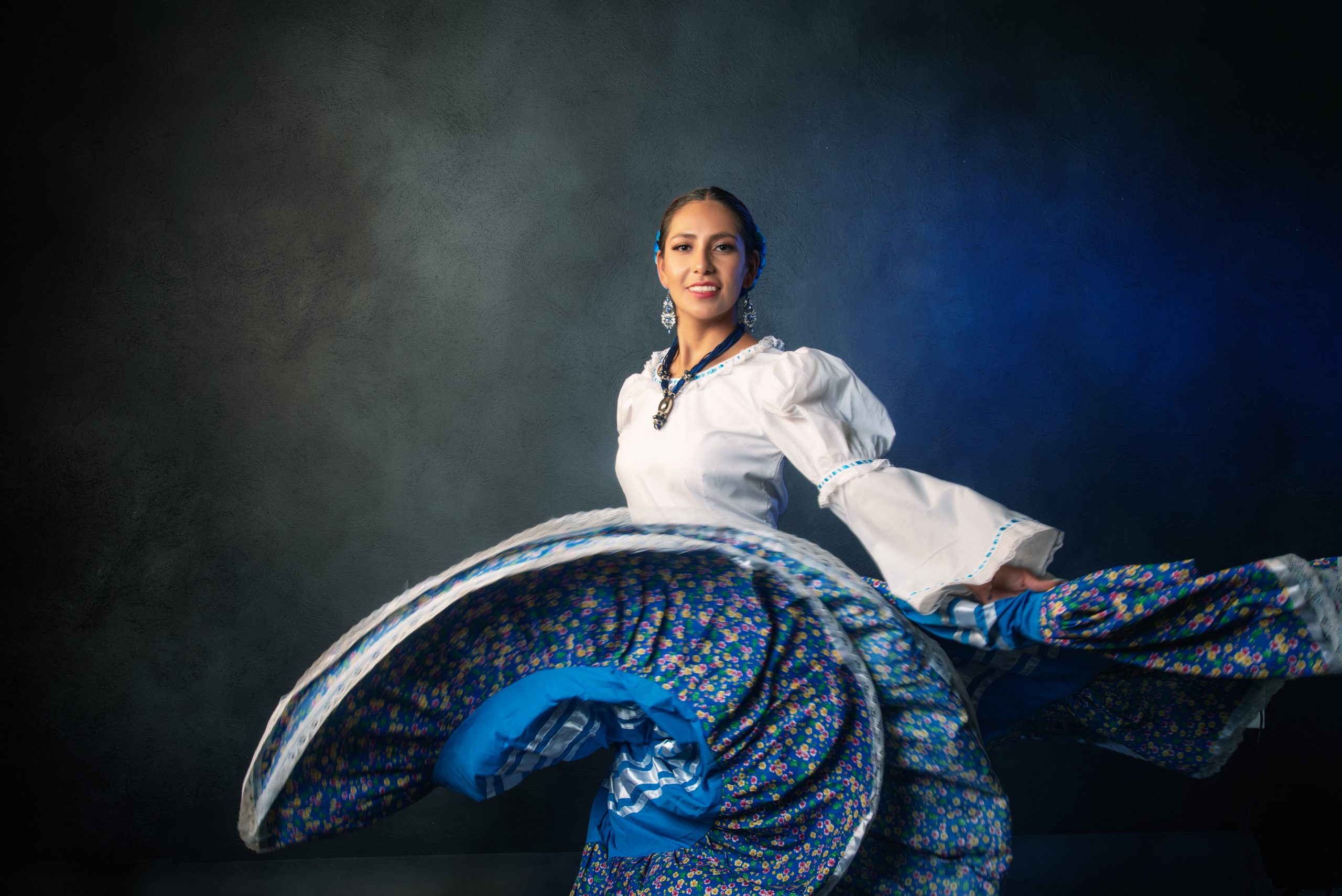
Dance Style: Mexican Folkloric Dance
Country/Identity Represented: Mexico
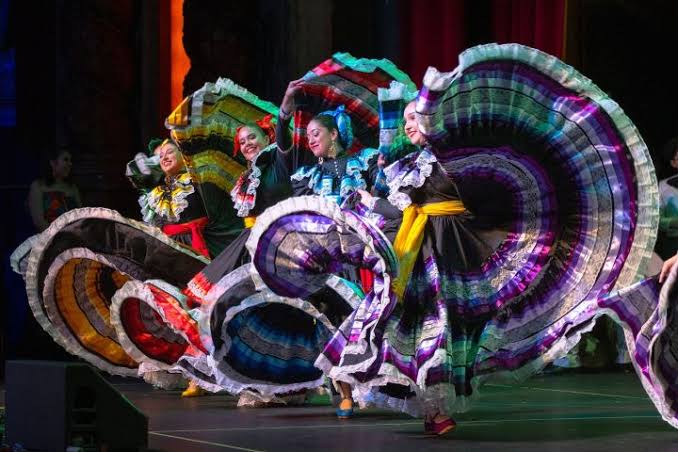
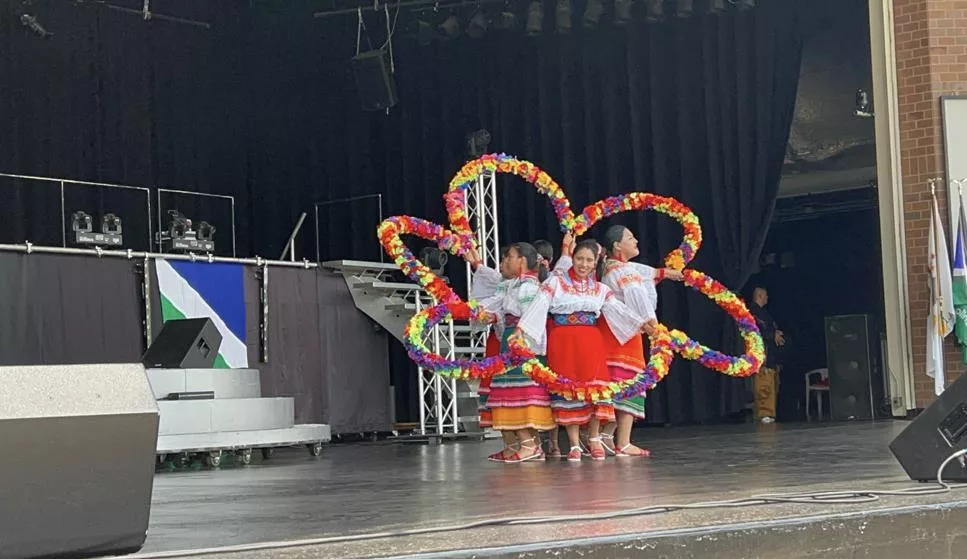
Ballet Folklórico de Chicago (BFC), founded in 2018, is dedicated to preserving, promoting, and celebrating the rich cultural traditions of Mexico through the art of folklórico dance while making high-quality cultural programming accessible to the Chicago community.
BFC prioritizes providing affordable dance education for children, youth, and adults, creating opportunities for students to connect with their Mexican heritage, develop cultural pride, build confidence, and grow as artists and leaders.
Beyond the stage, BFC strives to strengthen the community through education, scholarships, youth leadership and employment opportunities, community partnerships, and inclusive cultural experiences.
SECOND CITY SAMBA
Dance Style: Samba
Country/Identity Represented: Brazil
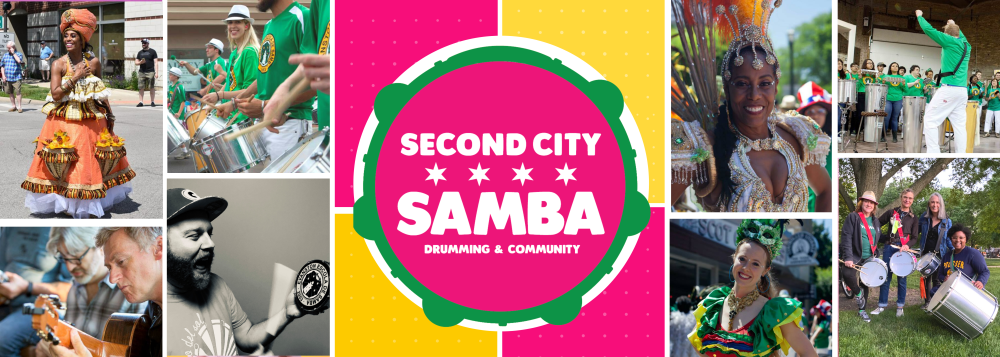
Second City Samba is a Chicago based community samba school that performs the awesome sounds of Brazilian batucada from the Pelourinho to the Sambodromo. While focusing on rhythms from Salvador and Rio de Janeiro, the group joins the Dill Costa Dance Group to bring an authentic representation of these styles.
SALSA CONGRESS (VARIOUS)
Dance Style: Salsa (multiple companies)
Country/Identity Represented: Mixed / Pan-Latino
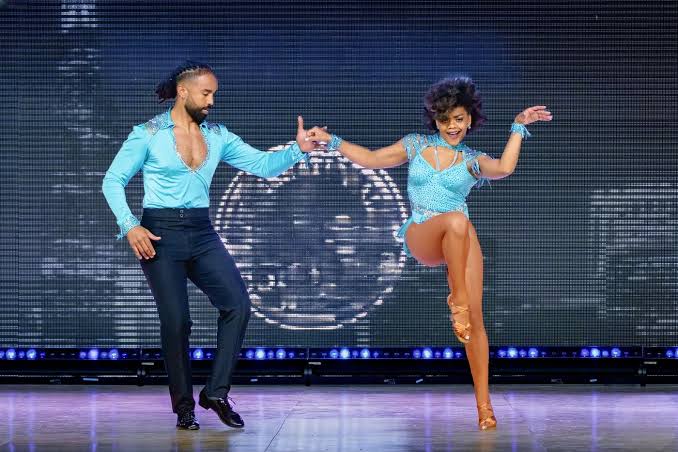
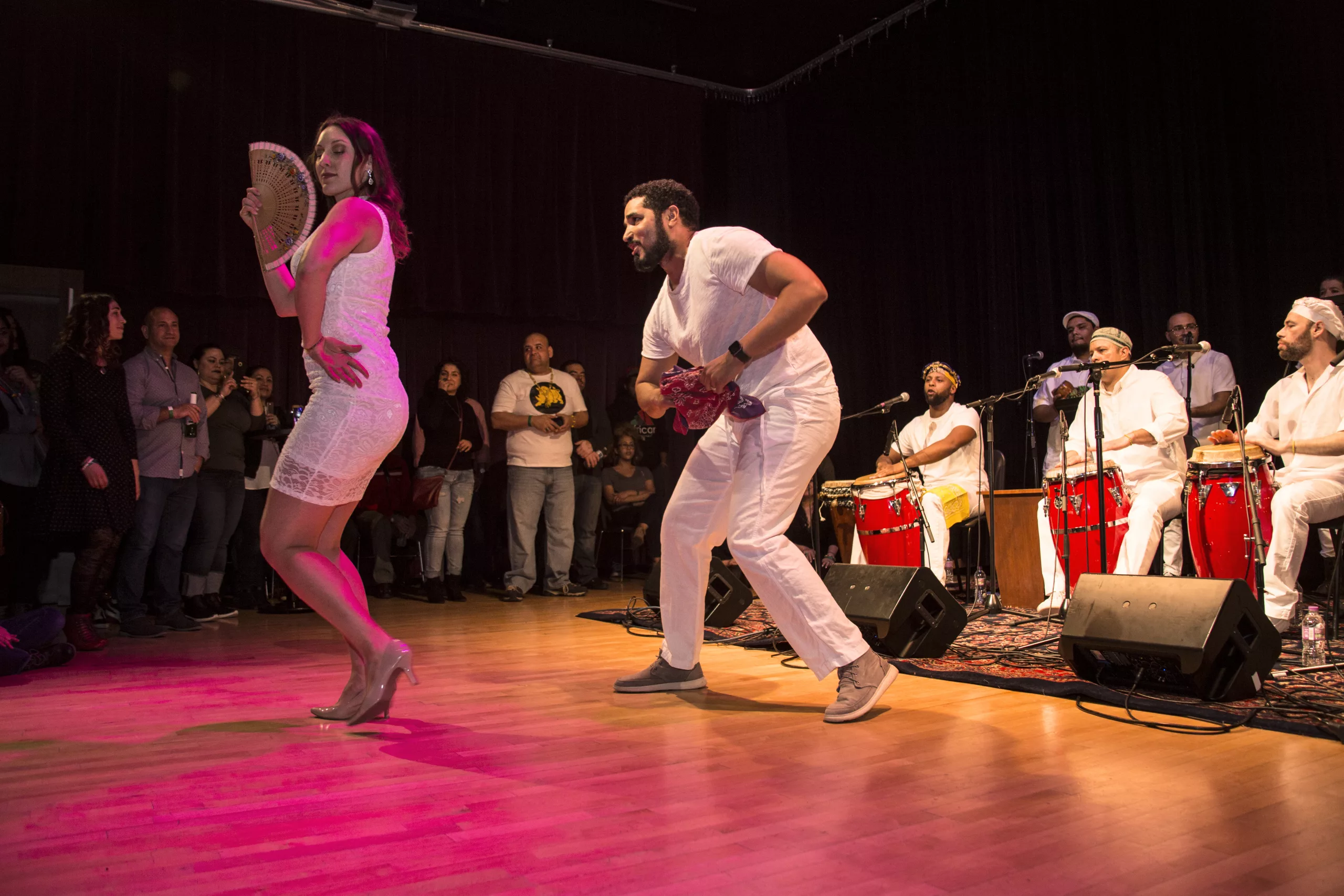
The Chicago International Salsa Congress (CISC) is the longest, continuously running salsa congress in the Americas. The CISC, celebrating its 25th year, has participated in the Chicago Latino Dance Festival since its inception bringing new artists every year representing the best and brightest dance acts in salsa and bachata with a focus on the younger generation.
—
Join us for an unforgettable opening night celebrating the richness and diversity of Latino dance — from Colombia’s Pacific coast to the modern stage, from Mexican folklórico to Brazilian samba to the pan-Latino energy of salsa. These are the dances that influence and are performed around the world – see what’s new, what has remained the same and connect with Latino Culture through the movement of body and music.